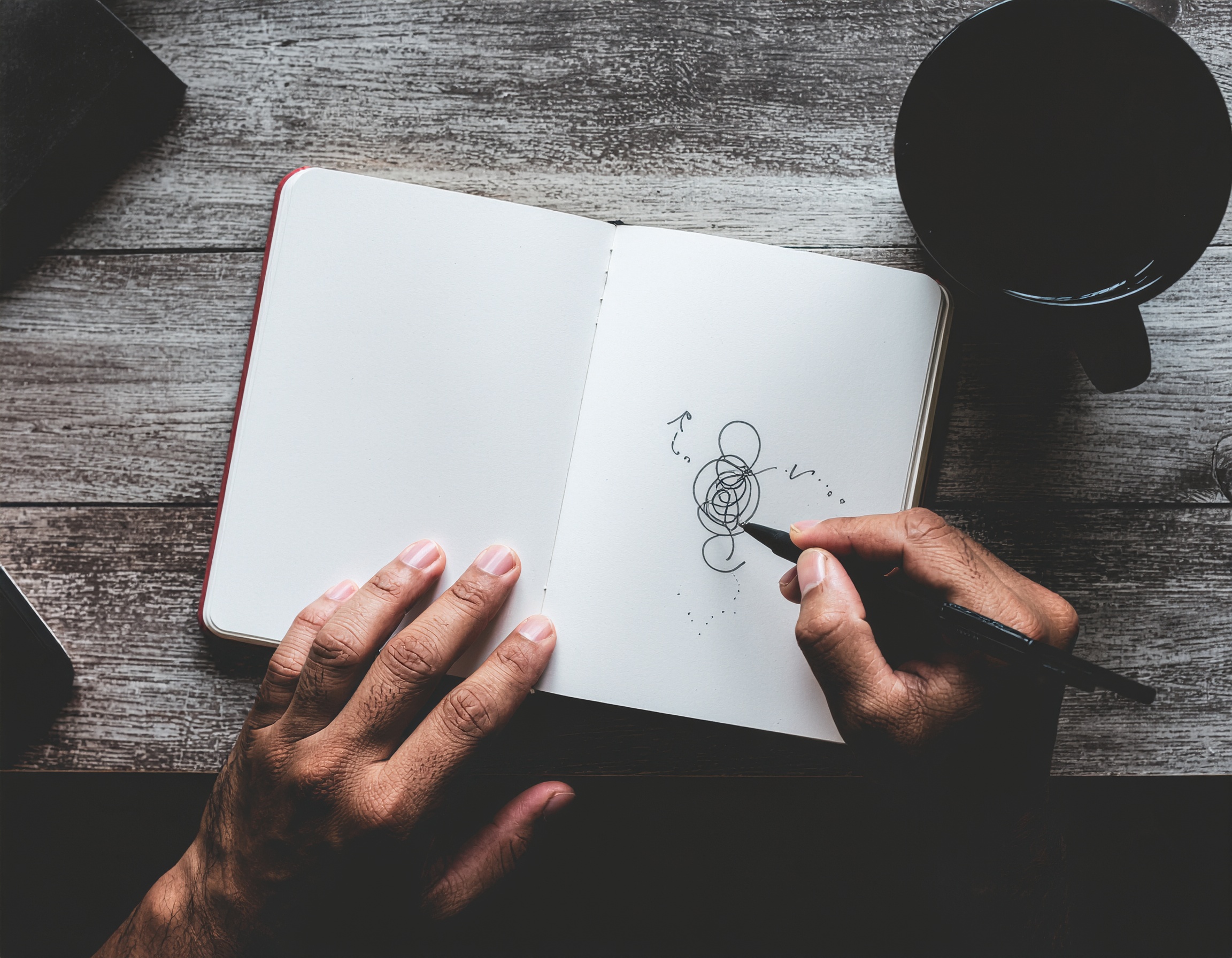
I spend a lot of time thinking and reflecting. It’s a natural habit of mine. My grandmother did the same. Considering she’s the most successful and smartest relative I have (not saying the bar was high, but still), I’m grateful I inherited some of her traits—as long as I keep the less-helpful ones in check.
Anyway, back on topic.
I look for patterns in my life. You can’t predict the future, but you can absolutely look at your past and see if you’re heading down a familiar path with familiar results. And when you recognize a pattern, you have to figure out two things:
- Is this pattern good?
- If it’s not, am I actually willing—or even able—to change it?
Example 1: Health
I’m getting older, and my health isn’t what it used to be. The default response for most people is: go to the doctor, get some meds, make some lifestyle changes.
But being raised poor, we never saw doctors unless required. My parents didn’t go. My grandparents didn’t go until later in life. That pattern simply doesn’t exist for me. Should it change? Absolutely. Will it? Probably not until something goes really, really wrong.
That’s a pattern.
People say, “Chris, if you can see the pattern, you can change it. Just go to the damn doctor.”
But that’s my point: some patterns are too hard to change. They’re like black holes—powerful, familiar, and pulling you in. Maybe if someone had intervened earlier, or if some major health incident had forced me into a doctor’s office, things would be different. But that didn’t happen. So here we are. And honestly, I have no idea how to change it (beyond the obvious, which I just don’t have in me right now).
So instead, I do what is in my control.
I’m 17 weeks into going to the gym consistently. It’s no longer an option—it’s just part of my life. And no, I’m not some gym-obsessed person. I know myself too well. If I tried that, I’d burn out and quit. I’ve done that before.
Instead, I’ve made it low-friction:
30 minutes, 3–4 times a week, with a bonus session if I can get the girls to go.
It’s like putting socks on. I just do it.
I also know my blood pressure is too high—a silent killer. The gym helps. But diet would help even more. I’ve lived on fast food my entire life. Mom worked two jobs; cooking wasn’t part of our existence. Drive-thru six days a week was normal.
Breaking that pattern is hard. Saying I’ll “never eat a McRib again” is ridiculous. But saying “only once a week” is realistic. My kids, thankfully, have better food habits because of the support they’ve had from others. I try to draw inspiration from them too.
But the pattern still fights back.
This means I need to break it for them. I have to do better—and teach them better—so they don’t end up stuck in the same loop I’ve been in.
Example 2: Work
I come from a long line of blue-collar, work-to-live, live-to-work people. My comfort and my stress both come mainly from my job. If things are going well at work, then odds are things are going okay at home. If not… well, you can guess the tone of the week.
I don’t understand “work-life balance.” I’ll never subscribe to the philosophy that a rested employee is automatically a better employee. After 25 years, I’ve never once taken a week or two off and come back feeling better. Not once.
The routine gets disrupted. Decisions happen while I’m away. Emails pile up. The shift from “sitting on a beach” back to “full intensity” is awful. I return worse than when I left.
This isn’t new. It’s who I’ve always been.
So instead of fighting it, I’ve learned to work with the pattern:
– The art of the half day
– The 4-day weekend
– The short breaks, not the big ones
Full weeks only happen when absolutely necessary—mainly family vacations when it’s impractical not to. Even then, I’ve learned to slide a few work hours in to help with the transition back.
I can’t escape this pattern, so I’ve learned to use it.
Example 3: Family
Family is where all patterns begin. This is my biggest gap and the hardest one to change.
Being raised in what was essentially a one-person family, everything else in life becomes perception and experience. I’ve romanticized big families and then become disillusioned by them. I’ve seen magical moments that only exist in full family units, and I’ve seen toxic disasters that make you wish you were invisible.
I still struggle to understand what a “good” family pattern looks like. I can recognize the missteps I’ve made. And despite the Facebook dreamland everyone sees, we are not rainbows and sunshine every day. Far from it. But there’s plenty to be grateful for too.
Not the best. Not the worst. Somewhere in the middle—and that depends on who you ask and what the day looks like.
I’m going to stop here for now. I’m realizing this is turning from a post into a chapter. I’m sure there’s more to come.

Leave a Reply