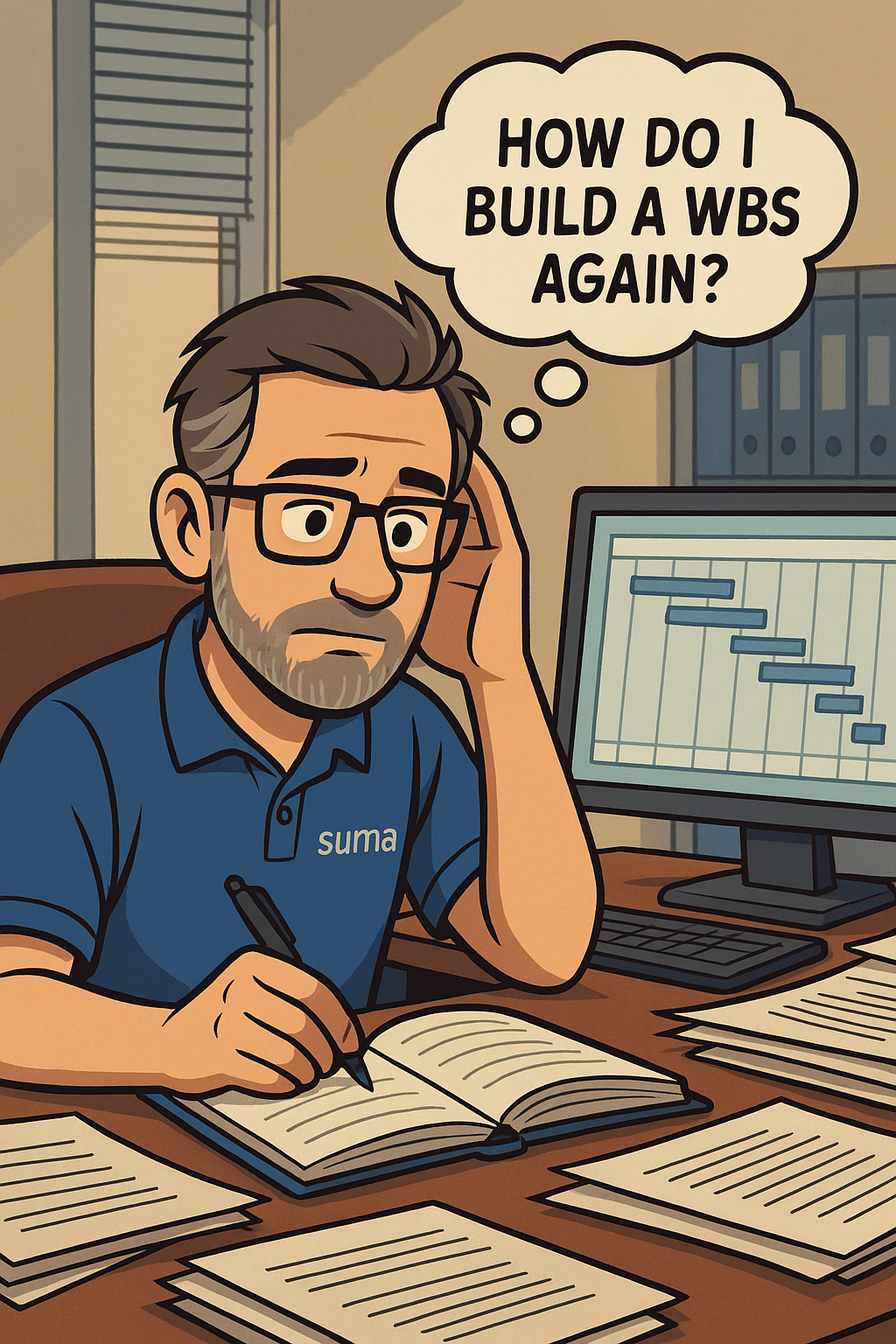
For a little over 15 years you’d find me in my cube late at night, poring over a MS Project file full of predecessors, dependencies, and the never-ending sprawl of a work breakdown structure (WBS). Another window would hold an expense report. Another, an inbox filling up with requests for status updates. I’d be chewing on beef jerky—because it lasts longer than candy or chips and is slightly better for you—while flipping through a book on software development or a medical journal so I could understand what I was about to send an update on… or win a debate to get someone to finally do the thing I needed them to do.
I lived in an ADHD hurricane of thoughts and topics, and still cursed under my breath about how I would do things differently if I were the leader instead of the facilitator caught in the middle.
Project Management and Agile teach something called servant leadership—lead by advocating for the team, remove obstacles, grow others, flip the hierarchy upside down.
And it works—when you’re not the one in charge.
But when you slowly migrate from communicator to leader, the ratios start to change. You begin looking for others to feed you that information you used to generate yourself. And once you stop doing that work, you rarely want to go back to it. There’s a voice in your head saying:
“That’s not what you do anymore. Don’t regress.”
So you start looking for the person who’s going to fill that void. But they aren’t there—how could they be? You didn’t hire a communications engine. You hired functional experts, technologists, people with deep experience in execution. Not paper-pushers. Not status wranglers.
And suddenly you remember those moments earlier in your career when you’d quietly wonder whether anyone even noticed or valued what you did.
Today was the day I realized the answer is yes.
They did.
I did.
And now I feel their absence when I need someone to be what I once was.
I spent a lot of today acknowledging that, as I stared at my screen trying to force my brain into planning mode and recognizing just how hard Operational Managers work. They must straddle two completely different worlds:
1. The Functional Daily Grind
Keeping the lights on
- Moving tickets
- Answering the urgent Teams pings
- Keeping people unblocked and the machine running
2. The Forecasting & Discovery Work
Planning for what’s next
- Creating work detailed enough to be acted on
- Defending priorities when everything competes for your time
Ignore the daily work and everything piles up. Ignore the future, and suddenly you’re defending work you’ve sunk hours into without a clear roadmap or support.
The trick is: you will never feel like you’ve found the balance.
And you will never feel like you’re doing it wrong—because you can always point to the work that got done. You weren’t idle; you were just communicating more with tasks than with people. And sometimes the longer you put that off, the more it comes back to bite both sides of the work.
If you’re lucky like me, you’ll have people around you who nudge you when you’re drifting. But taking those hints—and acting on them in time—is the challenge we face every single day.
Here’s to the Operational Managers
The planners and doers.
The ones who live in the middle of the storm so their teams don’t have to.
We see you. We need you. And when you’re gone, we notice.

Leave a Reply